
 By Marvin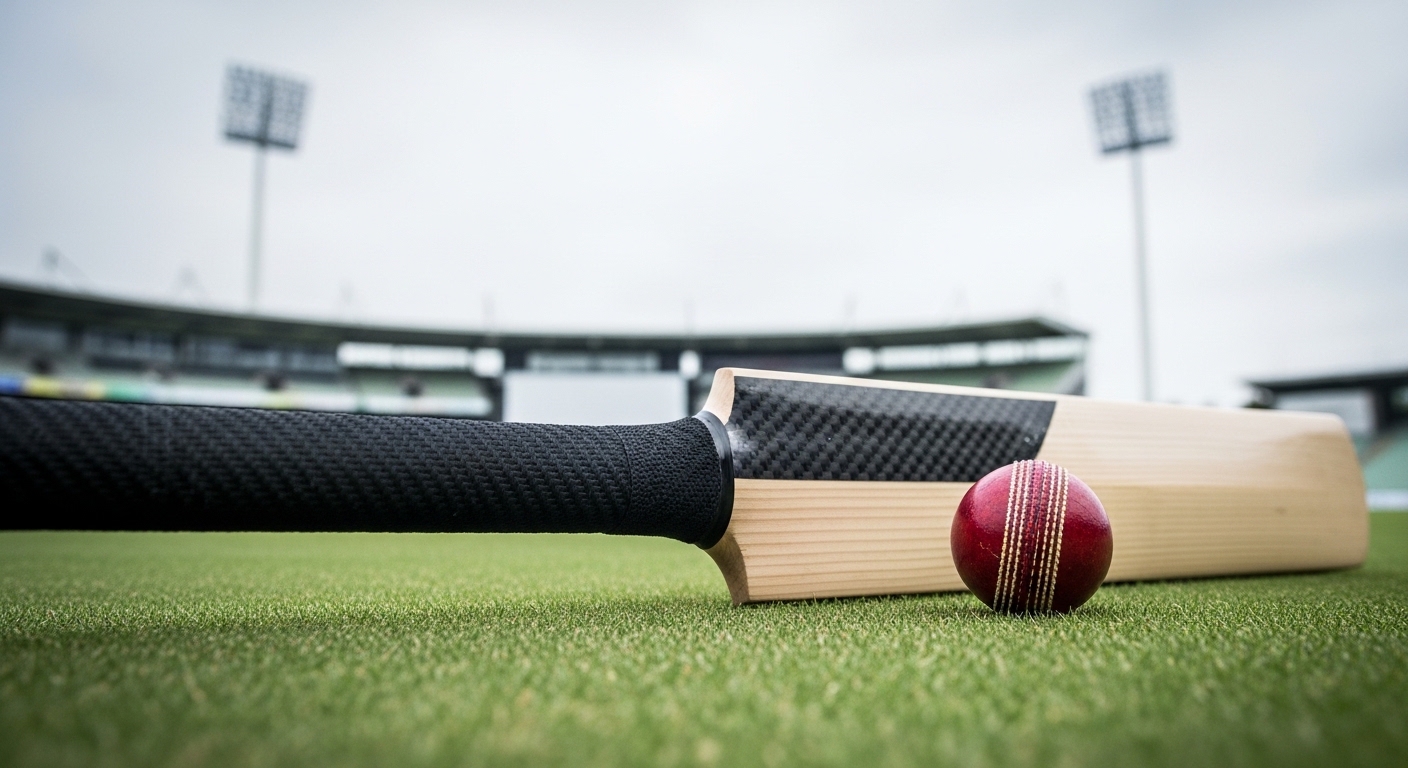
Cricket equipment has evolved dramatically from the days of uncovered pitches and minimal protective gear. Modern cricket bats, helmets, pads, and balls are products of sophisticated engineering that balances performance, safety, and the traditions that define the sport. This evolution has influenced how cricket is played, how records are assessed, and how administrators regulate equipment to maintain competitive balance.
The tension between technological innovation and traditional standards is a recurring theme in cricket equipment development — a microcosm of the broader debate about how the sport navigates change while preserving its essential character.
The Modern Cricket Bat
No piece of cricket equipment has generated more debate than the modern bat. Today’s bats feature thicker edges, more pronounced bowing, and are pressed and shaped to maximise power even on mishits. The sweet spot — the area of the bat face that produces maximum power with minimum effort — is significantly larger than on bats from previous decades.
These changes have contributed to the scoring explosion that characterises modern cricket. Boundaries that required textbook technique and perfect timing a generation ago can now be achieved with brute force and thick edges. This has led to periodic calls for regulation, with the MCC introducing restrictions on bat dimensions in 2017 to prevent the balance between bat and ball from tipping too far.
Protective Equipment and Player Safety
The tragic death of Phillip Hughes in 2014, struck by a bouncer during a Sheffield Shield match, accelerated developments in protective equipment. Modern helmets feature improved impact absorption, better neck protection, and designs informed by military and motorsport safety research. Chest guards, arm guards, and thigh pads have all been enhanced with materials that absorb impact energy more effectively.
As reported by WicketWatcher cricket news, the cricket equipment industry has invested significantly in safety research since the Hughes tragedy. The development of the stem guard — an additional piece that attaches to the back of the helmet to protect the neck — represents one of the most visible safety innovations, though its adoption has been inconsistent among professional players who cite comfort concerns.
The Cricket Ball: Tradition Meets Science
The cricket ball remains one of the sport’s most traditional pieces of equipment, yet even it has been subject to technological evolution. The differences between the Kookaburra ball used in Australia, the Dukes ball used in England, and the SG ball used in India create distinct playing conditions that influence everything from bowling styles to match durations.
According to the MCC equipment standards, the Laws of Cricket specify the dimensions and weight of the cricket ball, but significant variation exists within these parameters. The seam construction, lacquer quality, and leather density of different ball brands produce different levels of swing, seam movement, and durability — factors that teams must account for in their preparation and selection.
Smart Equipment and Wearable Technology
The integration of sensors into cricket equipment represents the next frontier. Smart bats embedded with sensors can measure bat speed, impact force, and the point of contact on the bat face. GPS trackers worn by players provide real-time data on running speed, distance covered, and workload intensity. These technologies are already influencing training methods and tactical analysis.
The Kookaburra Sport and other equipment manufacturers are exploring how technology can be embedded in equipment without altering its playing characteristics. The challenge is creating smart equipment that provides valuable data without changing the fundamental feel and performance that players rely on.
Balancing Innovation and Tradition
Cricket’s approach to equipment regulation reflects the sport’s broader philosophical tension. Innovation that improves safety is welcomed almost universally. Innovation that affects competitive balance — particularly when it favours batting over bowling — generates debate and often regulation. The challenge is maintaining a regulatory framework that encourages beneficial innovation while preventing changes that distort the fundamental contest between bat and ball.
As equipment technology continues to advance, cricket administrators will face increasingly complex decisions about what to permit and what to restrict. Getting these decisions right is essential for maintaining the sport’s competitive integrity while allowing it to benefit from the safety and performance improvements that modern engineering can deliver.
About the Author
This article is a guest contribution. The views expressed are those of the author and do not necessarily reflect the editorial position of the host publication.