
 By Marvin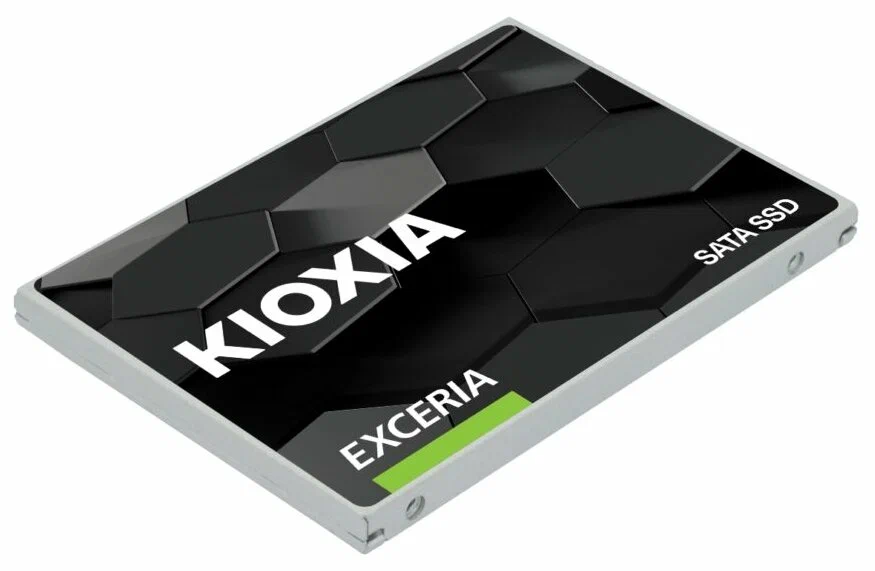
System performance plays a decisive role in how efficiently modern businesses operate. From running enterprise software to managing creative workloads and processing data, system responsiveness determines productivity and reliability. When storage becomes slow, applications take longer to load, data transfers stall, and overall system efficiency declines. Business leaders and IT decision-makers, therefore, look for storage solutions that can improve speed without compromising reliability.
Kioxia solid-state drives are designed to address these challenges. Built with advanced flash memory architecture and optimized interfaces, they help systems operate faster while maintaining stable performance under demanding workloads.
Understanding the Role of Storage in System Speed
Storage technology directly affects how quickly a system retrieves and processes information. Traditional storage solutions often struggle with modern workloads that require rapid read and write operations. Kioxia Solid State Drive addresses this limitation by replacing mechanical storage with a flash-based architecture that delivers significantly faster response times.
When systems rely on faster storage technology, data access becomes quicker and application performance improves. This shift reduces system bottlenecks and allows processors to work at their full potential, improving overall operational efficiency.
1. High-Speed NVMe Interfaces for Rapid Data Transfers
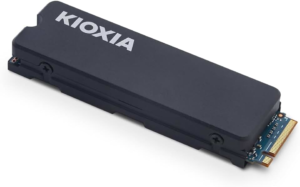
One of the most effective ways Kioxia SSDs boost system performance is through high-speed NVMe interfaces. NVMe technology allows storage devices to communicate with the system using a faster and more efficient protocol compared with traditional storage connections.
This results in higher transfer rates and faster file access. Systems that rely on large data operations benefit significantly, as applications load more quickly and large datasets move across storage layers without delay.
2. Reduced Latency for Faster System Response
Latency is a critical factor that determines how quickly a storage device responds to requests. High latency can slow application performance and create delays in data processing.
Kioxia SSDs reduce latency by using flash memory architecture designed for rapid communication between the drive and system components. Lower latency ensures that processors receive data faster, which improves responsiveness and allows systems to handle multitasking more effectively.
3. BiCS FLASH™ Technology for Improved Data Handling
Kioxia drives utilize BiCS FLASH™ 3D flash memory technology. This design stacks memory cells vertically, allowing higher storage density while maintaining strong performance.
Higher density enables systems to store larger amounts of information while still maintaining fast data retrieval speeds. This technology helps systems process large datasets efficiently without sacrificing stability or responsiveness.
4. Advanced Thermal Management for Consistent Performance
High-performance storage can generate heat during intensive workloads. Without proper thermal control, storage devices may slow down to protect internal components.
Kioxia SSDs incorporate thermal management mechanisms that regulate temperature during extended workloads. Stable operating conditions prevent performance throttling and ensure the system maintains consistent speed during continuous data operations.
5. Optimized Firmware for Reliable Data Operations
Firmware plays a key role in managing how storage devices process and organize data. Kioxia Drives include optimized firmware that balances read and write operations efficiently.
This design helps maintain performance consistency during demanding workloads. Systems experience fewer interruptions and maintain stable performance when handling multiple processes simultaneously.
6. Support for Diverse High-Performance Workloads
Modern computing environments handle a wide range of tasks, including data analytics, virtualization, media production, and large-scale software applications. Storage solutions must support these varied workloads without performance degradation.
Many organizations rely on Kioxia drives because they deliver consistent performance across these demanding scenarios. Their architecture allows systems to process complex tasks without experiencing significant slowdowns.
7. Efficient Storage Monitoring and Management
Maintaining long-term performance requires visibility into storage health and activity. Kioxia provides dedicated management tools that allow administrators to monitor drive status and optimize system performance.
These monitoring tools help detect potential issues early and ensure that drives continue operating efficiently. As a result, systems maintain consistent performance and reduce the likelihood of unexpected downtime.
Turning Storage Improvements into System-Wide Performance Gains
Upgrading storage technology can transform overall system performance. Faster data retrieval shortens application load times, improves file transfers, and enhances system responsiveness across enterprise and professional workloads.
While many distributors, such as CDW and Insight, offer large hardware catalogs, their approach often centers on broad product availability rather than detailed workload alignment. Businesses may receive standard configurations that do not fully match operational needs.
Cloud Ninjas focuses on helping organizations select storage solutions that align with real performance requirements. By emphasizing compatibility, reliability, and system optimization, Cloud Ninjas enables businesses to deploy Kioxia-based storage solutions that support long-term performance and operational stability.