
 By Marvin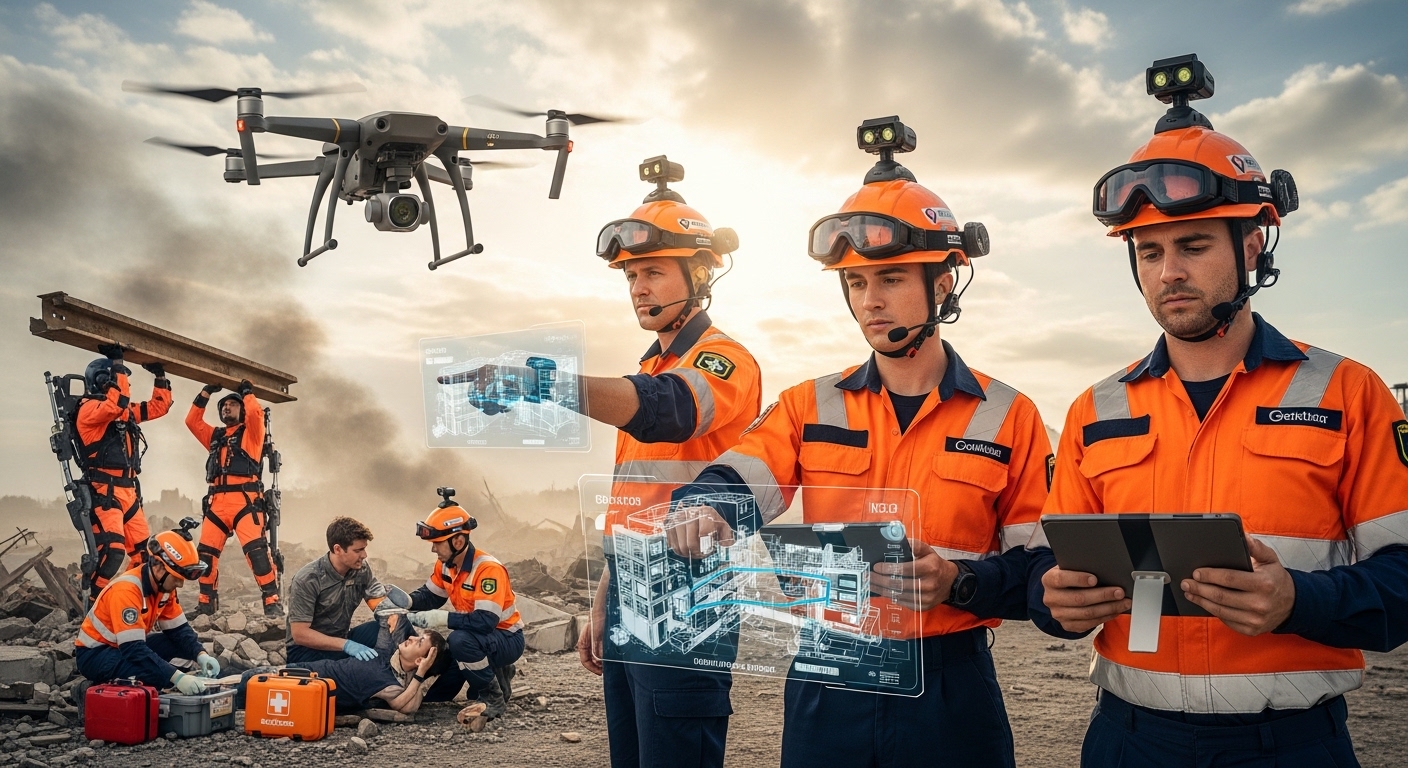
Disasters can strike without warning, leaving communities vulnerable and in chaos. The first responders who rush in to save lives are the disaster management crews. These brave individuals play a crucial role in mitigating the impact of disasters, from natural calamities like hurricanes and earthquakes to man-made crises such as industrial accidents. Their ability to respond quickly and effectively often dictates the difference between life and death.
However, empowering these teams is essential for enhancing their response capabilities. So, how can we empower the disaster management crew? By addressing challenges they face, leveraging technology, providing proper training, equipping them with advanced tools, and fostering community collaboration. Each step taken towards empowerment not only strengthens their resolve but also ensures that our communities are safer when disaster strikes. Let’s explore how we can enhance their effectiveness in safeguarding our society during critical times.
The Challenges Faced by Disaster Management Crew
Disaster management crews face a multitude of challenges that can hinder their effectiveness. One significant hurdle is the unpredictability of disasters themselves. Each event, whether natural or man-made, has its unique characteristics and requires tailored responses.
Additionally, these teams often operate under immense pressure. Time is critical during emergencies, and delays can lead to increased casualties and damage. The stress associated with high-stakes situations can affect decision-making.
Resource limitations also plague many disaster response efforts. Insufficient funding or equipment can limit what teams are able to achieve in the field. Inadequate supplies may compromise rescue operations.
Communication breakdowns further complicate matters. Multiple agencies may be involved, each with different protocols and systems for sharing information. This lack of synergy can create confusion when rapid action is essential.
Emotional resilience plays a crucial role in team performance as crews frequently encounter traumatic scenes that take an emotional toll on responders.
The Role of Technology in Improving Disaster Response
Technology is transforming the landscape of disaster management. With real-time data collection, responders can make informed decisions quickly.
Drones are becoming essential tools in assessing damage and locating victims. They provide aerial views that ground crews cannot access easily. This capability accelerates initial assessments and helps prioritize rescue efforts.
Mobile applications also play a critical role. They facilitate communication between disaster response teams and affected communities. People can report their needs instantly, allowing for faster resource distribution.
Geographic Information Systems (GIS) offer valuable insights into risk areas. By mapping hazards, agencies can deploy resources more effectively before disasters strike.
Wearable technology enhances safety for first responders as well. GPS tracking ensures they remain accounted for in high-risk zones while monitoring their health metrics during operations.
Embracing these innovations creates a robust framework for quicker responses to emergencies across various scenarios.
Tools and Equipment for Disaster Management Crew
Effective disaster response hinges on the right tools and equipment. These are essential for swift action during emergencies.
Rescue teams rely heavily on GPS devices. They help navigate through chaotic environments, ensuring that responders reach those in need without delay. Drones have also become invaluable, providing aerial views of affected areas, which aids in strategic planning.
Communication is key. Walkie-talkies and satellite phones allow crews to stay connected in situations where traditional networks fail. Portable generators ensure operations can continue even when power sources are compromised.
Personal protective equipment (PPE) cannot be overlooked. Gear like helmets, gloves, and waterproof clothing safeguards crew members while they work in hazardous conditions.
Medical supplies play a crucial role too. First aid kits equipped with basic medical necessities can save lives before professional healthcare arrives. Every piece of equipment contributes to a more efficient response effort when disaster strikes.
Training and Preparation for Disaster Response
Training is the backbone of effective disaster response. A well-prepared team can make a significant difference in critical situations. Regular drills and simulations help crew members understand their roles better.
Hands-on training scenarios foster quick decision-making skills under pressure. These rehearsals not only build confidence but also enhance teamwork, which is crucial during real emergencies.
Incorporating first aid and emergency medical training prepares responders for health crises that often accompany disasters. Knowledge of mental health support is equally important; it ensures both responders and affected individuals receive proper care.
Utilizing virtual reality technology can elevate training experiences. Immersive environments allow crews to practice without the risks associated with live exercises, sharpening their instincts for actual events.
Continuous education keeps personnel updated on new techniques and technologies in disaster management, ensuring they remain adaptable to evolving challenges while enhancing overall readiness when duty calls.
Collaborating with Local Communities for Effective Disaster Management
Local communities play a pivotal role in disaster management. Their knowledge of the area and its unique challenges can significantly enhance response efforts.
Engaging with residents fosters trust. This relationship allows for open communication and swift action during emergencies. Communities often have insights into vulnerable populations that may need additional support, ensuring no one is left behind.
Training local volunteers creates a network of first responders who can act before professional teams arrive. These individuals know their neighborhoods intimately, which makes them invaluable assets in crisis situations.
Moreover, community-driven initiatives promote preparedness planning tailored to specific risks faced by each locality. Workshops and drills can empower citizens while equipping them with essential skills for effective self-response.
When disaster strikes, collaboration between official agencies and local groups forms a united front. Together they create resilience that strengthens the fabric of society against future calamities.
Conclusion:
Disaster management is a critical aspect of ensuring the safety and well-being of communities during unforeseen events. To empower the disaster management crew for faster, safer responses, we must address various challenges they face. By leveraging technology and providing them with modern tools, we can enhance their capabilities significantly.
Training programs play a vital role in preparing these teams for emergencies. Regular drills and simulations keep their skills sharp. Collaboration with local communities fosters trust and communication, which are essential during crises.
Empowering our disaster management crews means investing in their development at every level. It involves equipping them with not only physical resources but also emotional support to handle high-stress situations effectively. With collective efforts from governments, organizations, and citizens alike, we can create an environment where disaster response is swift and efficient—ultimately saving lives when it matters most.
How can we empower the disaster management crew? The answer lies in commitment to continuous improvement across all fronts—from technology adoption to community engagement—ensuring that no one faces disasters alone.