
 By Marvin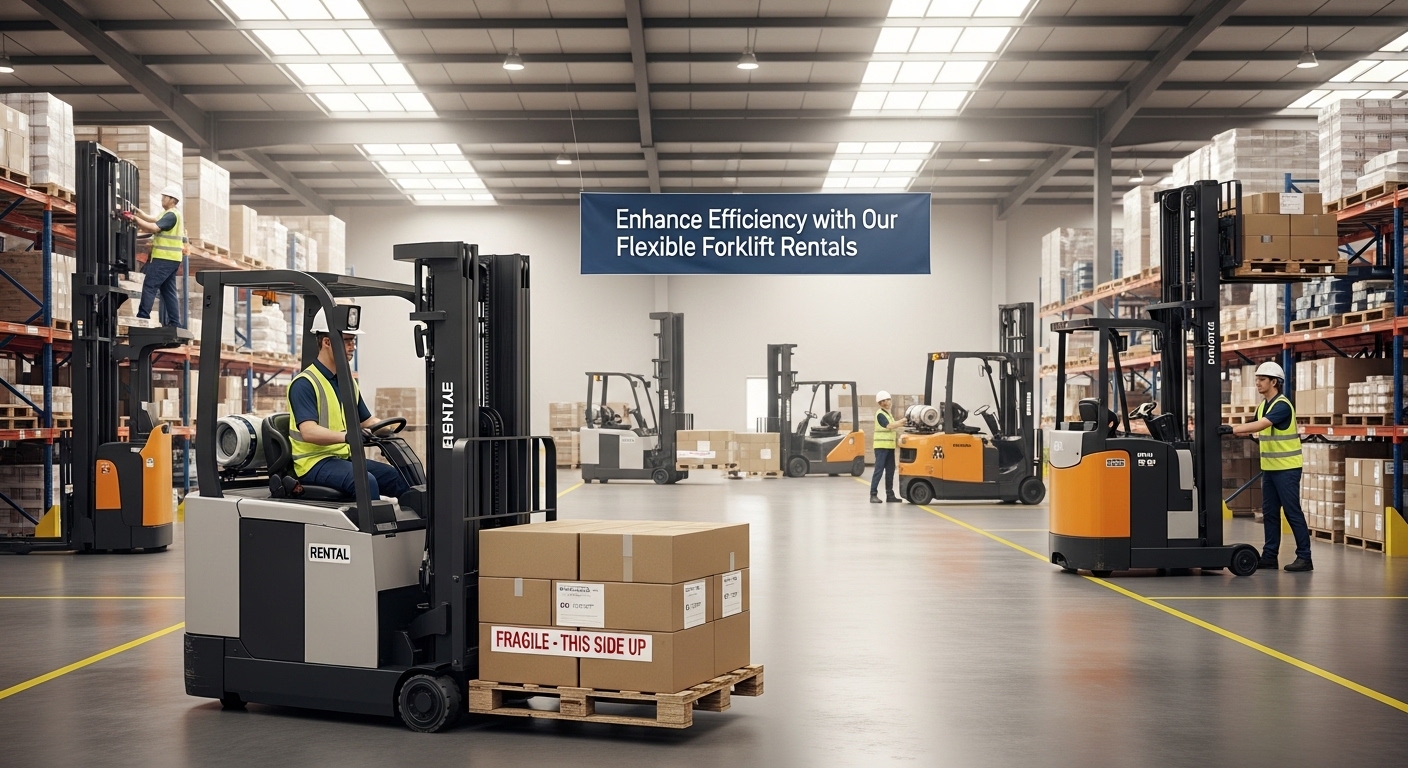
The Growing Importance of Forklift Rentals
In modern industrial and warehouse operations, the ability to move materials efficiently and safely is critical to maintaining productivity and meeting business demands. Forklifts have become indispensable in these environments due to their capacity to handle heavy loads, reduce manual labor, and streamline workflow. However, owning a forklift may not always be the most practical or cost-effective solution for every business. This is where forklift rentals have become an increasingly popular choice.
Forklift rentals offer businesses access to a wide range of machines, from electric models designed for indoor use to heavy-duty diesel forklifts capable of handling large loads outdoors. By opting for rental, companies can scale their equipment usage to match fluctuating demands, seasonal spikes, or project-specific requirements without committing to the significant investment associated with purchase and long-term maintenance. Furthermore, rental providers typically offer well-maintained, safety-inspected machines, ensuring that operations can proceed efficiently while minimizing the risk of breakdowns or accidents.
Key Features of Modern Forklifts
Forklifts are designed to provide strength, stability, and maneuverability, enabling operators to transport heavy materials quickly and safely. Modern forklifts incorporate advanced technologies to enhance both productivity and safety. Key features include:
- Load Capacity: Forklifts are capable of handling various weights, from small pallets to large industrial shipments, allowing businesses to optimize storage and transport.
- Versatility: With multiple mast types, attachments, and lift heights, forklifts can adapt to diverse tasks, including stacking, loading, unloading, and order picking.
- Maneuverability: Compact designs and precise controls allow forklifts to navigate tight aisles and confined spaces, increasing operational efficiency.
- Safety Features: Modern forklifts are equipped with seatbelts, backup alarms, stability controls, and operator assistance technologies, minimizing workplace accidents.
When businesses choose forklift rentals, they gain access to machines equipped with these advanced features without the burden of ongoing maintenance, depreciation, or storage concerns. This ensures that operations run smoothly while workers remain safe and productive.
Cost Efficiency and Flexibility
The financial advantages of forklift rentals are significant. Purchasing a forklift involves high upfront costs, ongoing maintenance expenses, insurance, and compliance with safety regulations. For many businesses, particularly those with fluctuating workloads or seasonal demands, ownership may not be practical.
Forklift rentals provide a cost-effective alternative, allowing companies to pay only for the equipment they need, when they need it. Rental agreements often include maintenance, servicing, and delivery, removing the administrative and operational burdens associated with equipment ownership. Additionally, rental allows businesses to access the latest models with up-to-date technology and safety features, improving operational efficiency and reducing downtime caused by older or malfunctioning equipment.
This flexibility ensures that businesses can meet project deadlines, scale operations according to demand, and manage budgets more effectively. By choosing reputable rental providers that specialize in forklift rentals, businesses can also benefit from professional support, ensuring that equipment is always reliable and ready for immediate use.
Applications Across Industries
Forklifts are versatile tools used across a wide range of industries. In warehouses and distribution centers, they play a critical role in moving products efficiently from receiving docks to storage areas or loading zones. This improves inventory management, reduces manual handling, and accelerates order fulfillment.
In manufacturing, forklifts transport raw materials to production lines and move finished goods to storage or shipping areas. Their ability to handle heavy loads and navigate complex layouts makes them essential for maintaining smooth production workflows.
Construction sites also rely on forklifts to transport building materials, equipment, and tools across uneven terrain. Specialized forklifts, such as rough-terrain models, are designed to operate safely in these environments while maintaining efficiency.
Agricultural operations, retail stores, and event management industries also benefit from forklifts for material handling, inventory management, and setup tasks. Renting forklifts ensures that businesses in these industries can access machines tailored to their specific requirements without unnecessary investment in equipment they may not frequently use.
Safety Considerations
Safety is a paramount concern when operating forklifts. Forklift-related accidents can result in serious injuries or even fatalities, making adherence to safety protocols essential. Operators must receive proper training and certification, understand the capabilities and limitations of their machines, and follow workplace safety guidelines consistently.
Rental providers play a crucial role in promoting safety. When businesses opt for forklift rentals, they often receive pre-inspected and maintained equipment, along with user manuals, safety guidelines, and sometimes operator training. These measures reduce the risk of equipment failure and ensure that operators can use the machines safely and efficiently. Regular maintenance, inspection, and adherence to safety standards are key to preventing accidents and ensuring reliable operation, and rental companies typically handle these responsibilities on behalf of their clients.
Maintenance and Reliability
One of the most compelling advantages of forklift rentals is the maintenance and reliability provided by rental companies. Owning a forklift requires businesses to invest in regular servicing, repairs, and compliance with safety regulations, which can be costly and time-consuming. Rental agreements, on the other hand, usually include maintenance and support, ensuring that equipment is in optimal condition throughout the rental period.
This not only reduces operational downtime but also eliminates the need for businesses to store, service, or replace parts for their own machines. By choosing a reputable rental provider specializing in forklift rentals, companies can rely on experienced technicians, timely inspections, and rapid response services, which collectively enhance workplace efficiency and project timelines.
Choosing the Right Forklift Rental Provider
Selecting the appropriate forklift rental provider is critical to maximizing the benefits of rental services. Businesses should consider several factors, including the provider’s range of equipment, reputation, safety record, and customer support capabilities. A reliable rental partner should offer guidance in selecting the right forklift for the specific operational needs, provide timely delivery and setup, and ensure that equipment meets safety and operational standards.
Professional rental companies specializing in forklift rentals distinguish themselves by offering:
- A diverse fleet of forklifts suitable for various industries and tasks
- Regularly serviced and safety-inspected equipment
- Flexible rental agreements tailored to project timelines and budgets
- Technical support and guidance from experienced professionals
Partnering with such a provider ensures that businesses can focus on operational efficiency rather than equipment management.
Environmental and Operational Efficiency
In addition to cost savings and safety, forklift rentals contribute to environmental and operational efficiency. Many modern forklifts are equipped with electric motors, low-emission engines, and energy-efficient features, supporting sustainability initiatives. By renting, businesses can access these environmentally friendly models without committing to long-term ownership, reducing their carbon footprint and supporting corporate sustainability goals.
Operational efficiency is also enhanced through rental flexibility. Businesses can match the right forklift to the job, selecting machines with the appropriate lift capacity, maneuverability, and attachments. This ensures projects are executed safely, quickly, and efficiently, with minimal downtime or operational disruption.
Conclusion
Forklift rentals offer businesses a practical, flexible, and cost-effective solution for managing material handling needs across a variety of industries. From warehouses and manufacturing plants to construction sites and event management, forklifts improve operational efficiency, reduce manual labor, and enhance worker safety.
By choosing to rent forklifts, companies can access modern, well-maintained machines equipped with advanced safety and operational features while avoiding the financial burden and logistical challenges associated with ownership. Partnering with reputable rental providers specializing in forklift rentals ensures access to reliable equipment, professional support, and maintenance services, allowing businesses to focus on productivity and operational excellence.
Whether for short-term projects, seasonal demands, or long-term operations, forklift rentals represent a strategic choice that supports efficiency, safety, and flexibility in today’s demanding work environments.