
 By Marvin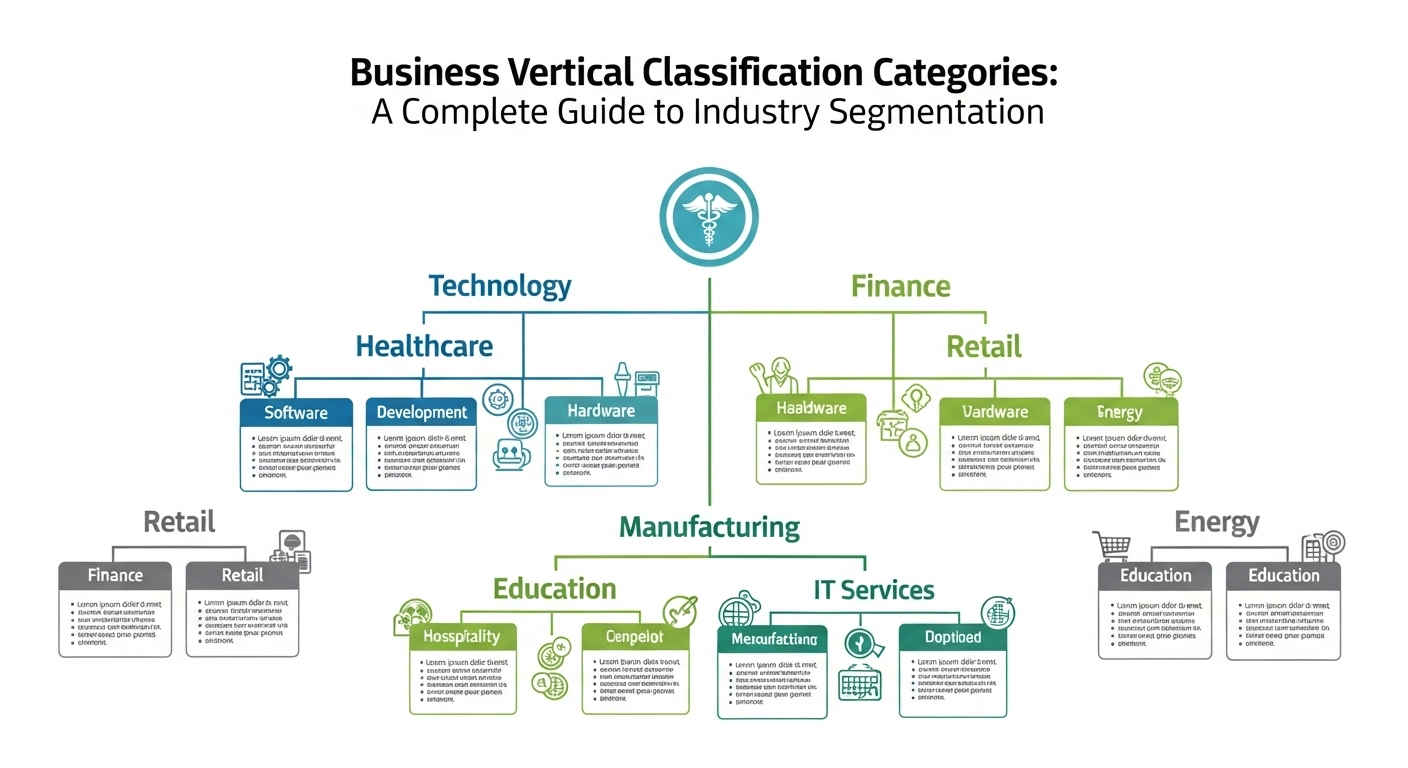
In today’s rapidly evolving business landscape, understanding where your company fits is more critical than ever. Enter the world of business vertical classification categories—a systematic way to categorize industries based on shared characteristics and functions. This method not only enhances clarity but also aids companies in targeting their marketing efforts effectively.
Navigating through a multitude of sectors can feel overwhelming, especially with emerging niches and trends constantly reshaping the marketplace. Whether you’re a startup looking for direction or an established enterprise seeking new opportunities, knowing how to identify and leverage your industry category can set you apart from the competition. Get ready to dive into this complete guide that will unveil the intricacies of industry segmentation and help you find your place in this intricate web of commerce!
Why is Industry Segmentation Important?
Industry segmentation plays a crucial role in the business landscape. It helps companies identify their target audience and tailor their products or services accordingly.
By breaking down broader markets into specific categories, businesses can focus on niche areas that align with their strengths. This targeted approach allows for more effective marketing strategies and messaging.
Moreover, understanding different segments enables better resource allocation. Companies can invest time and money where it matters most, optimizing operational efficiency.
Segmentation also fosters innovation by highlighting gaps in the market. Businesses can develop unique offerings that meet the distinct needs of specific customer groups.
Additionally, industry segmentation enhances competitive analysis. By knowing who your competitors are within each vertical, you gain insights into market trends and consumer behavior patterns that inform strategic decisions.
Methods for Classifying Industries
Classifying industries can be approached in several ways. One common method is through the use of classification systems like NAICS or SIC codes. These standardized codes categorize businesses based on their primary activities, helping streamline data collection and analysis.
Another approach involves examining market trends. Here, industries are segmented by consumer demands, technological advancements, or economic shifts. This dynamic method allows for a more fluid understanding of how landscapes change over time.
Geographic segmentation is also significant. Industries often vary drastically across regions due to local resources, regulations, and cultures.
Assessing business size—such as small enterprises versus large corporations—can reveal insights into operational strategies and target markets within each industry segment. Each method presents unique advantages suited for different analytical needs.
The Top 10 Business Verticals and Their Characteristics
When exploring business verticals, certain industries stand out due to their unique characteristics.
Technology leads the charge, encompassing software development and IT services. Rapid innovation defines this sector.
Healthcare follows closely behind. It includes hospitals, pharmaceuticals, and telehealth solutions. The focus here is on improving patient outcomes and advancing medical research.
Retail has transformed with e-commerce’s rise. Brick-and-mortar stores now compete with online giants for consumer attention.
Finance offers diverse services from banking to investment management. Trust and security are paramount in this vertical.
Manufacturing showcases an array of goods produced efficiently through advanced techniques like automation.
Education spans traditional schools to online learning platforms. Accessibility is a key factor driving growth in this sector.
Real estate involves property management, sales, and rentals—shaped by market trends and economic conditions.
Hospitality encompasses hotels, restaurants, and travel services. Customer experience remains crucial for success here.
Logistics focuses on supply chain optimization—ensuring products reach consumers swiftly while managing costs effectively.
How to Determine the Right Vertical for Your Business
Choosing the right business vertical can feel overwhelming. Start by assessing your strengths and passions. What do you excel at? What excites you? Aligning these elements with your vertical choice is crucial.
Next, conduct market research. Analyze trends within different industries to identify gaps or emerging opportunities. This data can guide decisions that cater to current consumer demands.
Consider your target audience as well. Understanding who they are will help in identifying which vertical resonates best with their needs and preferences.
Evaluate competition too. A saturated market may signal a need for differentiation or innovation. Conversely, a niche market could offer less competition but higher rewards if managed effectively.
Think about scalability and sustainability of each option. Will it grow as demand increases? Solidifying this aspect ensures long-term success in your chosen industry sector.
Challenges and Benefits of Industry Segmentation
Industry segmentation presents both challenges and benefits that businesses must navigate.
One significant challenge is ensuring accurate classification. Misclassifying a business can lead to misguided strategies and wasted resources. Additionally, the dynamic nature of industries often means that categories evolve, requiring regular reassessment.
On the flip side, effective segmentation allows companies to identify target markets more precisely. This focused approach enhances marketing efforts and product development tailored to specific consumer needs.
Moreover, understanding your vertical can foster stronger industry connections. Networking opportunities in niche sectors often yield partnerships that drive growth.
While segmentation can streamline operations by concentrating on core areas, it may also limit exposure to broader market trends if not approached carefully. Balancing specialization with adaptability is key for any organization navigating these waters.
Conclusion:
Navigating the complex world of business vertical classification categories can significantly enhance your strategic planning and market positioning. Understanding industry segmentation allows businesses to tailor their products, services, and marketing efforts more effectively.
With various methods for classifying industries, including traditional sector classifications and modern approaches like niche targeting, you have multiple options at your disposal. Each category comes with its own set of characteristics that can influence decision-making.
Identifying the right vertical for your business is crucial. It involves assessing current trends, consumer needs, and competitive landscapes. Choosing wisely will not only help in crafting a targeted approach but also improve customer engagement.
While challenges exist—such as market saturation or misclassification—the benefits often outweigh them. Effective industry segmentation leads to better resource allocation, enhanced brand loyalty, and increased revenue opportunities.
Mastering business vertical classification categories opens doors to growth potential that might otherwise remain untapped. Armed with this knowledge, you’ll be well-equipped to make informed decisions that propel your business forward.