
 By Marvin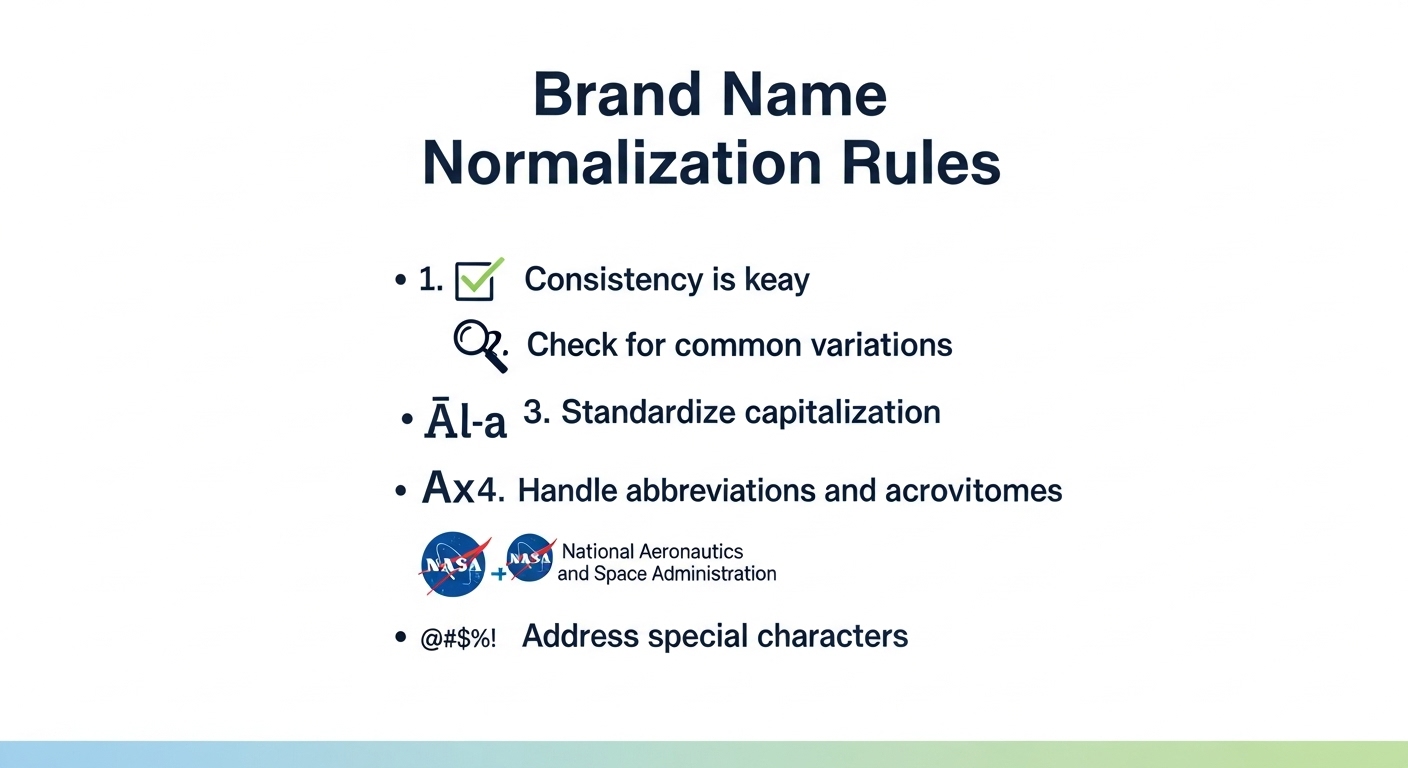
In the bustling world of business, brand identity is everything. Companies invest time and resources into building a strong presence that resonates with their audience. Yet, amidst all this effort, many struggle with one critical aspect: consistency in how their brand names are represented across various platforms and documents. This is where brand name normalization comes into play.
Imagine your customers encountering different variations of your brand name—each one creating confusion rather than clarity. “Acme Corp,” “Acme Corporation,” or simply “Acme” could lead to missed connections and lost sales opportunities. That’s why establishing effective brand name normalization rules is essential for maintaining clean data and ensuring a seamless customer experience.
By streamlining how you present your brand, not only can you enhance recognition but also build trust among consumers who expect reliability in every interaction they have with your business. Let’s dive deeper into what brand name normalization entails and explore best practices that can help elevate your company’s image while eliminating inconsistencies along the way!
The Importance of Clean Data for Businesses
Clean data is crucial for businesses striving to make informed decisions. Accurate information drives strategy, marketing, and customer engagement.
When data is inconsistent or incorrect, it can lead to misguided efforts. This not only wastes resources but also risks alienating customers who expect reliable service.
Good data quality enhances trust within the organization. Teams rely on accurate insights when crafting campaigns or developing products. Trustworthy data fosters collaboration and boosts productivity.
Moreover, clean data supports compliance with regulations. Businesses must adhere to legal standards concerning customer information and reporting practices.
In an era where personalization matters more than ever, having a clean dataset allows companies to tailor their offerings effectively. This leads to improved customer satisfaction and loyalty over time.
Common Issues with Inconsistent Brand Names
Inconsistent brand names can create significant challenges for businesses. One major issue is confusion among customers. When a brand appears under different variations, it can lead to mistrust and frustration.
Another problem is data fragmentation. Different departments might store brand information differently, making it difficult to analyze performance across channels. This hampers effective decision-making.
Search engine optimization suffers too. Search engines may struggle to rank a business correctly if the name isn’t uniform across platforms. This inconsistency can limit online visibility and hinder growth opportunities.
Moreover, inconsistent branding affects marketing efforts. Campaigns become less coherent when the messaging varies due to different name usages, diluting the intended impact on target audiences.
Internal teams face hurdles in communication as they grapple with differing versions of brand names. This misalignment stifles collaboration and increases operational inefficiencies in an organization’s workflow.
Best Practices for Creating Brand Name Normalization Rules
Creating effective brand name normalization rules requires a systematic approach. First, establish a clear set of guidelines that define how variations of brand names will be handled. This includes spelling variations, abbreviations, and common misspellings.
Next, involve key stakeholders in the process. Input from marketing teams can help ensure consistency with branding efforts. Collaboration fosters a shared understanding of the importance of uniformity.
Consider using standardized formats for entries—such as capitalization and spacing—to avoid confusion. For instance, always use “Nike” instead of “nike” or “NIKE.”
Additionally, keep your list updated regularly to adapt to new trends or changes in branding strategies. Regular reviews help maintain accuracy over time.
Document all rules clearly so that team members can easily reference them when entering data or making updates.
Tools and Techniques for Implementing Normalization Rules
Implementing brand name normalization rules requires a strategic approach with the right tools and techniques. Start by leveraging data management software designed for data cleansing. These platforms can automate much of the process, saving time and reducing human error.
Consider using machine learning algorithms that identify patterns in brand names. Such solutions can learn from existing datasets to suggest standardizations effectively.
Another valuable technique is creating a centralized database where all approved brand variations are stored. This ensures that everyone on your team refers to brands consistently.
Regular audits also play a crucial role in maintaining normalized data over time. By routinely checking for discrepancies, you ensure ongoing accuracy.
Invest in training sessions for staff involved with data entry or analysis. Educating them about normalization rules fosters consistency across departments and enhances overall data quality.
Real-Life Examples of Successful Brand Name Normalization
A notable example of successful brand name normalization comes from Coca-Cola. They streamlined their product names across various regions. By standardizing names like “Diet Coke” instead of using multiple regional variations, they enhanced brand recognition worldwide.
Another case is Procter & Gamble, which tackled inconsistencies in its vast portfolio. By creating a unified naming convention for products under the same category, they improved searchability and reduced confusion among consumers.
Spotify also embraced normalization within its playlists and artist names. This approach not only eliminated duplicate entries but also enriched user experience by providing consistent branding.
These companies demonstrate that effective brand name normalization can elevate customer engagement while minimizing errors in data management. Brand consistency strengthens relationships with consumers and builds trust over time.
Benefits of Using Brand Name Normalization for Businesses
Implementing brand name normalization rules can significantly enhance data integrity for businesses. When all brand names are consistent, it streamlines reporting and analytics. This clarity leads to more accurate insights into market trends and consumer preferences.
A unified approach reduces confusion among team members. Everyone works from the same set of standards, minimizing errors in communication and decision-making processes.
Moreover, normalized brand names improve customer experiences. Clear branding helps customers find products easily, fostering loyalty and trust.
The efficiency gained through standardized data also translates to time savings in marketing efforts. Campaigns become more effective when they target a well-defined audience with clear messaging.
Maintaining clean data through normalization practices strengthens compliance efforts by ensuring that all records meet industry standards and regulations.
Conclusion:
Clean data is crucial for businesses looking to thrive in today’s competitive landscape. Brand name normalization rules serve as a foundation for maintaining organized and accurate information. As we’ve explored, inconsistent brand names can lead to confusion, miscommunication, and lost opportunities.
Implementing best practices for brand name normalization not only streamlines processes but also enhances customer experiences by delivering clear messaging across all platforms. Utilizing the right tools and techniques can simplify this process even further.
Real-life success stories show that companies committed to effective brand name normalization see significant improvements in their operations and customer satisfaction levels. By adopting these strategies, businesses can unlock new efficiencies and insights from their data.
Embracing brand name normalization rules isn’t just about cleaning up your database; it’s about setting your organization on a path toward smarter decision-making and greater overall effectiveness.