
 By Marvin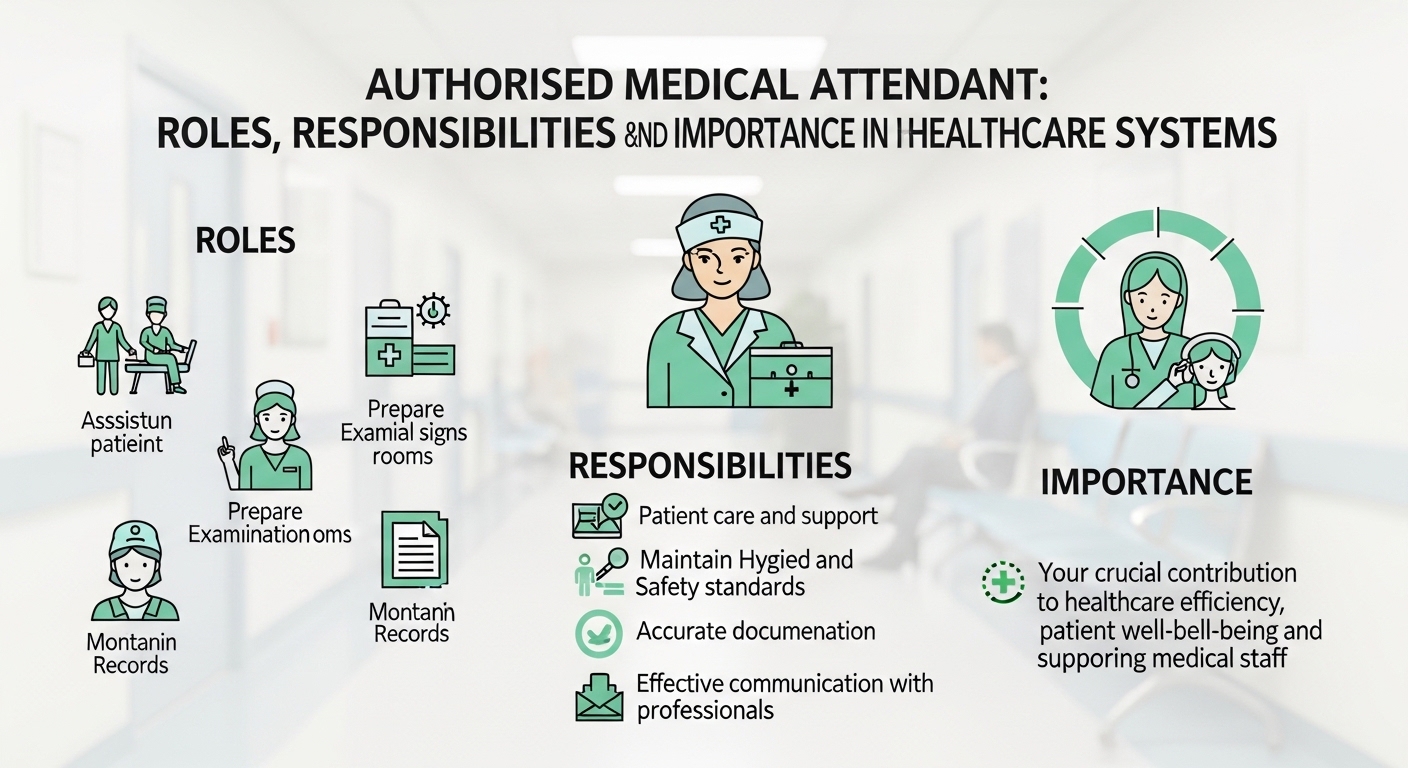
In the intricate web of healthcare systems, there’s a pivotal role that often goes unnoticed—the Authorised Medical Attendant, or AMA. These dedicated professionals serve as the bridge between patients and comprehensive medical care. With their unique qualifications and training, AMAs play an essential part in ensuring that individuals receive timely and quality health services. But what exactly do they do? How do they fit into our healthcare landscape? Let’s delve deeper into understanding the significance of Authorised Medical Attendants and explore how they enhance patient well-being across communities.
Qualifications and Training Requirements for AMAs
To become an Authorised Medical Attendant, candidates must meet specific qualifications that ensure they can provide effective healthcare. Typically, a medical degree or diploma in medicine is required. This foundational education equips them with the necessary knowledge of human anatomy and disease management.
After completing their basic medical training, aspiring AMAs often pursue additional certifications focused on primary care. These specialized courses enhance their skills in patient assessment and treatment planning.
Practical experience also plays a pivotal role in AMA training. Internships or residencies allow future AMAs to hone their skills under the supervision of experienced professionals.
Continuous professional development is crucial as well. Engaging in workshops and seminars helps AMAs stay updated on the latest practices and guidelines in healthcare delivery. This ongoing learning ensures they provide safe and efficient care to patients throughout their careers.
Roles and Responsibilities of AMAs in Healthcare Systems
Authorised Medical Attendants (AMAs) play a crucial role in healthcare systems, acting as the bridge between patients and comprehensive medical care. They are often the first point of contact for individuals seeking health services.
AMAs assess patient conditions and provide initial treatments or referrals. Their ability to recognize symptoms quickly can lead to timely interventions. This skill is vital in managing acute cases before they escalate.
Additionally, AMAs educate patients about preventive measures and healthy lifestyle choices. By promoting awareness, they empower communities to take charge of their health.
Documentation is another key responsibility for AMAs. Accurate record-keeping ensures continuity of care and effective communication among healthcare providers.
These professionals often collaborate with other healthcare workers. By working together, they enhance patient outcomes through coordinated care strategies across different health disciplines.
Importance of AMAs in Providing Primary Healthcare Services
Authorised Medical Attendants (AMAs) play a crucial role in the primary healthcare landscape. They serve as the first point of contact for patients, offering essential medical care and guidance.
In many cases, AMAs are instrumental in diagnosing common ailments and managing chronic conditions. Their training equips them to provide immediate treatment, reducing unnecessary hospital visits.
Moreover, AMAs promote preventive care by educating patients about healthy practices. This proactive approach not only improves individual health but also contributes to community well-being.
Their presence is vital in rural or underserved areas where access to specialists may be limited. By bridging this gap, they ensure that everyone receives timely medical attention without delay.
The relationship built between AMAs and patients fosters trust and continuity of care. This connection enhances patient adherence to treatment plans and overall satisfaction with the healthcare system.
Challenges Faced by AMAs
Authorised Medical Attendants (AMAs) navigate a range of challenges in their roles. One significant hurdle is the increasing demand for healthcare services. As populations grow, so do the complexities of patient needs.
Another challenge involves staying updated with medical advancements and protocols. Continuous learning is essential but can be overwhelming amid daily responsibilities.
Additionally, AMAs often work under pressure, managing various cases simultaneously. This fast-paced environment requires resilience and effective time management skills.
Resource limitations also present obstacles. Many AMAs operate within constrained budgets or staff shortages, impacting service delivery.
There’s the emotional toll associated with patient care. Dealing with serious health issues can lead to compassion fatigue if not managed properly. Balancing personal well-being while providing quality care remains an ongoing struggle for many professionals in this field.
How to Become an AMA
Becoming an authorised medical attendant requires a clear pathway. First, you need to earn the appropriate educational qualifications. Most aspiring AMAs start with a degree in medicine or nursing.
After completing your studies, gaining practical experience is crucial. Many programs offer internships or clinical placements that allow you to work under supervision and build essential skills.
Next, you’ll have to pass relevant examinations specific to your region or country. This step ensures you meet the necessary standards set by healthcare authorities.
Continuous professional development remains vital throughout your career. Attend workshops and seminars regularly to stay updated on the latest practices and regulations in healthcare.
Networking within the medical community can also open doors for job opportunities and mentorships, enhancing your journey as an AMA.
Conclusion:
The role of an Authorised Medical Attendant (AMA) is critical in today’s healthcare landscape. These professionals bridge the gap between patients and comprehensive care. With their unique qualifications and training, AMAs are essential for delivering primary healthcare services effectively.
Their responsibilities range from diagnosing minor ailments to providing follow-up care, making them invaluable assets to medical teams. The importance of AMAs cannot be overstated; they enhance accessibility to healthcare while alleviating pressure on other medical practitioners.
Despite facing various challenges—such as limited resources or varying patient needs—the resilience and dedication of AMAs shine through. For those aspiring to enter this rewarding field, understanding the pathway to becoming an AMA can inspire many future healthcare providers.
Supporting a robust system that includes Authorised Medical Attendants assures better health outcomes for communities everywhere. Their contributions help shape the future of accessible healthcare delivery systems globally.