
 By Marvin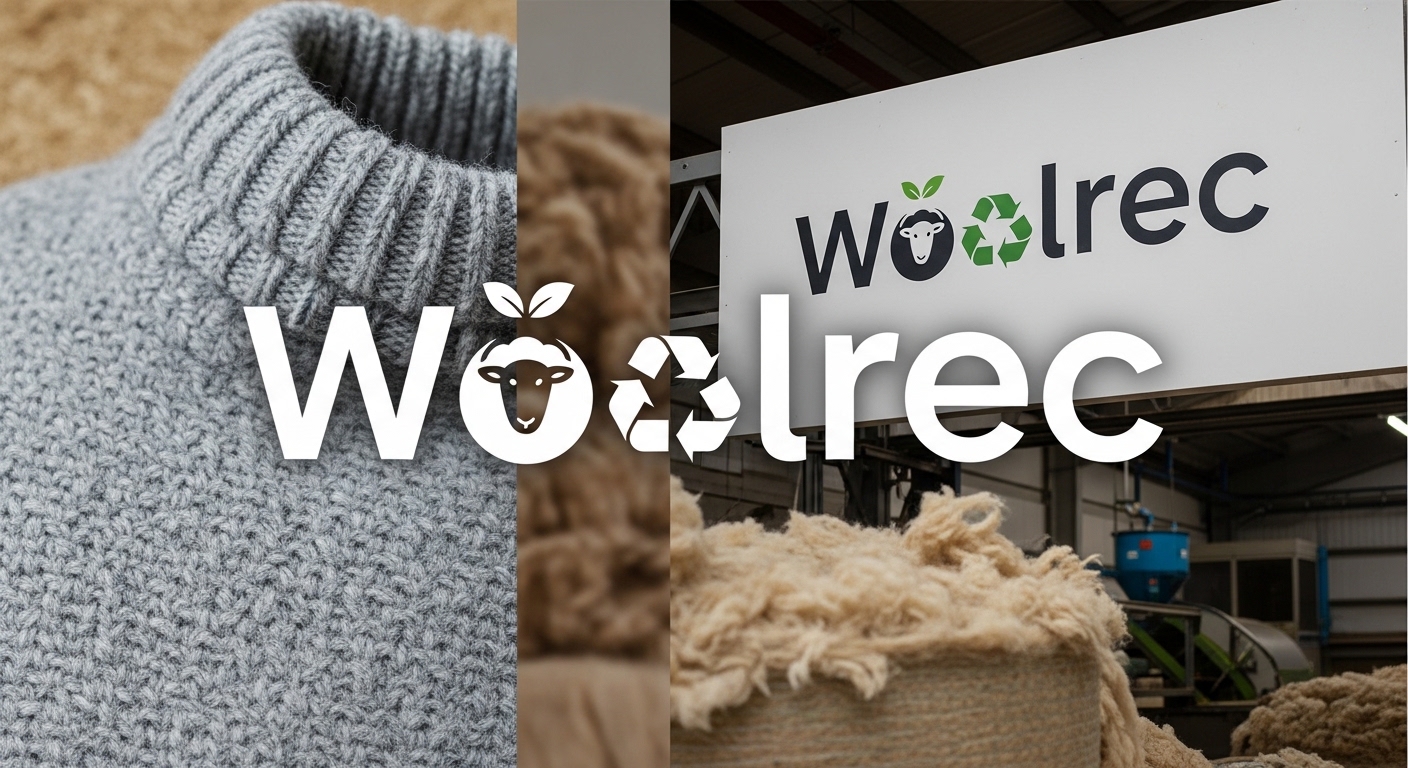
Woolrec is at the forefront of a movement that transforms waste wool into innovative sustainable solutions. Every year, millions of tons of wool end up in landfills, contributing to environmental degradation. Yet, Woolrec has taken on the challenge, turning this overlooked resource into something remarkable and eco-friendly.
Imagine a world where discarded wool finds new life as textiles or insulation materials. The journey from waste to purpose is not just inspiring; it’s essential for our planet’s future. As consumers become increasingly aware of their ecological footprints, Woolrec offers a beacon of hope and creativity in sustainability.
Join us as we delve deeper into how Woolrec tackles the problem of wool waste head-on and revolutionizes industries with its cutting-edge recycling processes.
The Process of Turning Waste Wool into Sustainable Materials
The journey of transforming waste wool into sustainable materials begins with collection. Wool scraps, often discarded by textile manufacturers, are gathered and sorted based on quality. This initial step is crucial in determining the final product’s effectiveness.
Next comes cleaning. The wool is washed to remove contaminants like dirt and grease. This process not only purifies the fibers but also enhances their properties for future applications.
Once cleaned, the wool undergoes shredding or carding. This breaks down the fibers further, making them easier to repurpose. After this stage, they can be spun into yarn or felted for various uses.
These recycled materials find new life in eco-friendly products—from insulation panels to high-quality textiles—showcasing how innovation can turn waste into treasure while promoting sustainability within industries reliant on natural resources.
Advantages of Using Recycled Wool
Recycled wool offers numerous benefits that extend beyond its eco-friendly nature. First, it reduces landfill waste significantly. By repurposing discarded fibers, we divert tons of material from ending up in the trash.
This innovative approach also conserves energy and resources. The production process for recycled wool requires less water and emits fewer greenhouse gases compared to virgin wool production. This means a smaller carbon footprint with every garment made.
Moreover, recycled wool retains many properties of new wool—such as warmth and durability—while providing a softer texture over time. Consumers appreciate garments that not only look good but feel great against their skin.
Choosing products made from recycled materials encourages sustainable consumer behavior. It fosters a growing market focused on responsible sourcing and ethical practices within the fashion industry, inspiring others to consider similar paths.
Success Stories of Companies Utilizing Woolrec Products
Several companies have embraced Woolrec products, showcasing the versatility of recycled wool. One standout is a fashion brand that transformed waste wool into high-end garments. Their commitment to sustainability resonated with consumers, leading to increased sales and a loyal customer base.
Another success story comes from an interior design firm. They incorporated Woolrec insulation materials in their eco-friendly projects. This choice not only improved thermal efficiency but also attracted environmentally conscious clients eager for innovative solutions.
A small startup focused on home textiles has also thrived by using Woolrec’s offerings. By weaving recycled wool into cozy blankets and cushions, they tapped into the growing demand for sustainable home goods while reducing textile waste.
These examples illustrate how businesses can capitalize on sustainable practices without sacrificing quality or style. The impact is felt across industries as more brands recognize the potential of incorporating Woolrec products into their operations.
Challenges and Limitations of the Recycling Process
Recycling wool isn’t without its hurdles. One primary challenge is the quality of waste wool. Not all discarded fibers meet the necessary standards for reuse. Contaminants like synthetic materials can compromise the recycling process, leading to lower-quality end products.
Additionally, there’s a lack of widespread infrastructure dedicated specifically to wool recycling. Many facilities are not equipped to handle this unique material efficiently. This gap results in wasted resources and lost opportunities for sustainability.
The economics of recycling also pose challenges. The costs associated with collecting, processing, and distributing recycled wool can be high compared to virgin materials. Businesses often find themselves weighing the benefits against financial constraints.
Consumer awareness plays a role in limiting growth within this sector. Without understanding the environmental advantages of using recycled wool, people may stick with conventional choices that contribute more significantly to waste issues.
The Future of Sustainable Innovation with Woolrec
The future of sustainable innovation with Woolrec is bright and full of potential. As awareness around environmental issues grows, the demand for eco-friendly materials continues to rise. Woolrec stands at the forefront, offering a solution that repurposes waste wool into valuable products.
Research and development in this field are advancing rapidly. New technologies aim to enhance the recycling process further, making it more efficient and cost-effective. This means even more industries can adopt recycled wool as a sustainable alternative.
Partnerships between Woolrec and various brands are blossoming. These collaborations pave the way for innovative applications in fashion, construction, and insulation markets.
As consumer preferences shift towards sustainability, companies embracing Woolrec’s offerings will have a competitive edge. The ripple effect of these changes could redefine how we view waste materials entirely.
Inspiring stories from early adopters show that transforming old fibers into new products is not just feasible; it’s becoming essential for our planet’s health.
Conclusion:
Woolrec stands at the forefront of an innovative movement, transforming wool waste into valuable resources. By addressing the environmental challenges posed by traditional wool disposal methods, Woolrec not only contributes to sustainability but also opens doors for new possibilities in various industries.
The process of recycling wool is both efficient and groundbreaking. It begins with collecting discarded wool from textile manufacturers and farmers. This waste is then cleaned, processed, and transformed into high-quality materials that can be reused in fashion, insulation, and other applications. The result is a circular economy approach that benefits both the planet and consumers.
Using recycled wool comes with numerous advantages. It’s an eco-friendly alternative that reduces landfill waste while conserving natural resources. Additionally, products made from recycled wool often maintain the warmth and durability associated with virgin fibers but come without the hefty ecological price tag.
Many companies are already reaping the benefits of incorporating Woolrec products into their offerings. From eco-conscious fashion brands to sustainable construction firms, these businesses showcase how recycled materials can enhance product lines while supporting a greener future.
However, there are challenges in scaling up this recycling process effectively. Issues such as supply chain logistics and varying quality among reclaimed fibers present hurdles to overcome for broader adoption.
Despite these obstacles, Woolrec’s trajectory indicates a bright future ahead for sustainable innovation in textiles and beyond. As awareness grows about responsible consumption practices among consumers and businesses alike, initiatives like those spearheaded by Woolrec will play a pivotal role in shaping industry standards moving forward.
The journey towards reducing waste through recycling offers hope for our environment while fostering creativity within various sectors. With continued support for innovations like Woolrec’s initiatives, we can look forward to a more sustainable world where every fiber counts.